A Songwriter's tale: In DEFENCE OF AI MUSIC
By David Barrat
BOO! WE ALL HATE AI MUSIC
I get it. I hear you. A lot of people hate AI music with a passion.
There's the inescapable and disturbing environmental fact that the volume of water used by data centres potentially harms the entire planet. I can't do anything about that. Using Google and other search engines does that too. Are we all going to give up the internet?
A lot of people don't like the fact that AI platforms have “stolen” the entire history of existing songs in order to be trained in how to create music. While this may be true, any human songwriter, musician, arranger or producer has also acquired their music knowledge from the entire database of existing songs heard on the radio, TV, internet or other format. We don't hate those people for learning from the best. The obvious solution to this issue is for the song owners to be properly compensated for use of their work for training the AI. I hope that happens.
But there's also the fact that anyone, however untalented, can suddenly click a button and within minutes create a full song, with lyrics, which sounds professionally produced and, who knows? (I don't, because I tend not to listen to such stuff), might be as good as, if not better than, any song a human songwriter can create. That is sure annoying. For anyone who has spent their entire life learning a skill which can be done in seconds by a automated tool, it's going to hurt.
I do, however, think that one group of people are often overlooked or lumped into the above category of novices by those who dislike AI music. There are many of us who use AI not to write or create new songs but to take our existing songs, often already created and recorded in some fashion before the existence of AI, in order to produce new, professional sounding, AI generated versions of those songs.
For me, using AI in this way is no different to asking a human arranger to arrange my songs, or a human producer to produce them or a human singer to sing them, which is what I've been doing my entire life.
Allow me to elaborate on that.
WHO IS THE HELL IS DAVID BARRAT?
I've been writing songs (lyrics and melody) since the late 1980s. Alone in my bedroom, pop songs often popped into my head and I would scribble down the lyrics in notebooks. However, I'm not and never have been a musician. In those days, I couldn't play any instruments at all. The tunes or melodies remained in my head for many years until I decided to capture them on tape, singing into a microphone connected to a four track tape recorder alongside a drum machine. Just getting that set-up involved quite a lot of work on my part going out into Central London to purchase the necessary equipment.
At that time, I would have killed for the types of sophisticated music creation tools which are widely available today. As a non-musician, I literally and genuinely dreamt of some sort of chord machine like the Telepathic Orchid which allows the generation of a chord at the press of a single button (other models are available!). I actually looked around for just such things. If they existed in the late 1980s or early 1990s, and I don't think they did, I certainly never found them. Digital Audio Workstations on a computer were unimaginable tools for the future. Equally, software like Scaler which helps songwriters create songs easily with chords, along with arpeggiators, which create melodies from chords, were not part of the world at that time.
Looking back, I suppose I could simply have learnt to play the keyboards or a guitar but, in the first place, I didn't own such things and, before the internet, it wasn't quite so easy to learn. I'm now aware of the existence of “play in a day” type books but I wasn't then. Learning an instrument seemed very hard and time consuming. My sister learnt the piano and had to do years of lessons and practice which didn't seem like fun to me. I'm sure I doubted I would ever be a good enough musician to justify the amount of effort that I'd need to spend on learning. I seemed able to write songs without them so that sensible course of action didn't form any part of my thinking.
I wrote one Billy Bragg type song called Is There A Fire. Bragg recorded an entire album with just him playing guitar and singing. He didn't even strike me as a great vocalist! I wondered if I could get someone to play a guitar and then I could record my song in a cheap recording studio. That fantasy didn't last long. Apart from anything else, I'm not a good singer. I don't like the sound of my own voice at all.
But, once I finished university and started working, thus earning an income, I wondered if it was somehow possible to pay to get my songs recorded by musicians and singers in a recording studio so that they sounded like proper songs. I didn't really have any desire beyond that. I'm sure I must have wondered if a proper band or singer would eventually like to record them but I don't think that formed any great part of my thinking at the time. The main question that I wanted to answer for myself was whether I was a genuine songwriter. Could I actually do it?
I had no clue if there was any means of transforming my songs into completed “demos” which sounded like proper songs I might hear on the radio. I suppose I must have looked in the telephone directory where I presumably found mention of a local rehearsal/recording studio in arches beneath an overground railway line called “Recent Studios” (also known as “Cazimi”) run by two talented young musicians and producers, Richard Charlton and Charlie McIntosh. By a stroke of pure luck, they seemed to understand what I wanted to do and were willing to produce songs within the pop genre.
I mainly worked with Richard and would introduce the song to him, either by playing a recording of me singing over a drum machine or just by simply singing the melody to him in the studio, without any backing. Every time he started to play chords underneath those melodies was like a religious experience. It was always incredible to hear my basic songs suddenly come to life. I enjoyed sitting in the studio watching and listening to him build up the songs and arrange them. I've never lost that joy of hearing my songs emerge as fully arranged tracks or “masterpieces” as I like to think of them!
WHERE ANGELS FEAR TO DANCE
Initially, in 1991, we worked on three of my songs which Richard wrote the chords to and arranged. I hired some musician friends of his for a recording session in order to lay down the backing tracks. There was Ray Stockhill on lead guitar, Marcus Adams on bass and Pat Bonafont, known as “Pat the Cat”, on drums. Richard himself played the keyboards. All three songs were recorded in one session while I looked on. My only role was to assist the musicians by singing the guide vocals during the rehearsal of the songs which, despite my inability to sing, I managed okay and proudly felt like the vocalist of a rock group, singing into a microphone while the band played.
A singer known to Richard, called Robert “Stuart” Tadeau, who was in a band which rehearsed in the same studios, was brought in to record the lead vocals while another singer, Lisa Abbott, recorded some angelic backing vocals.
I put the three finished songs, Take Me Away, You Tell Me and For You onto a cassette tape with specially designed artwork which, somewhat foolishly and pretentiously (and based on a line in Take Me Away), I called Where Angels Fear to Dance.
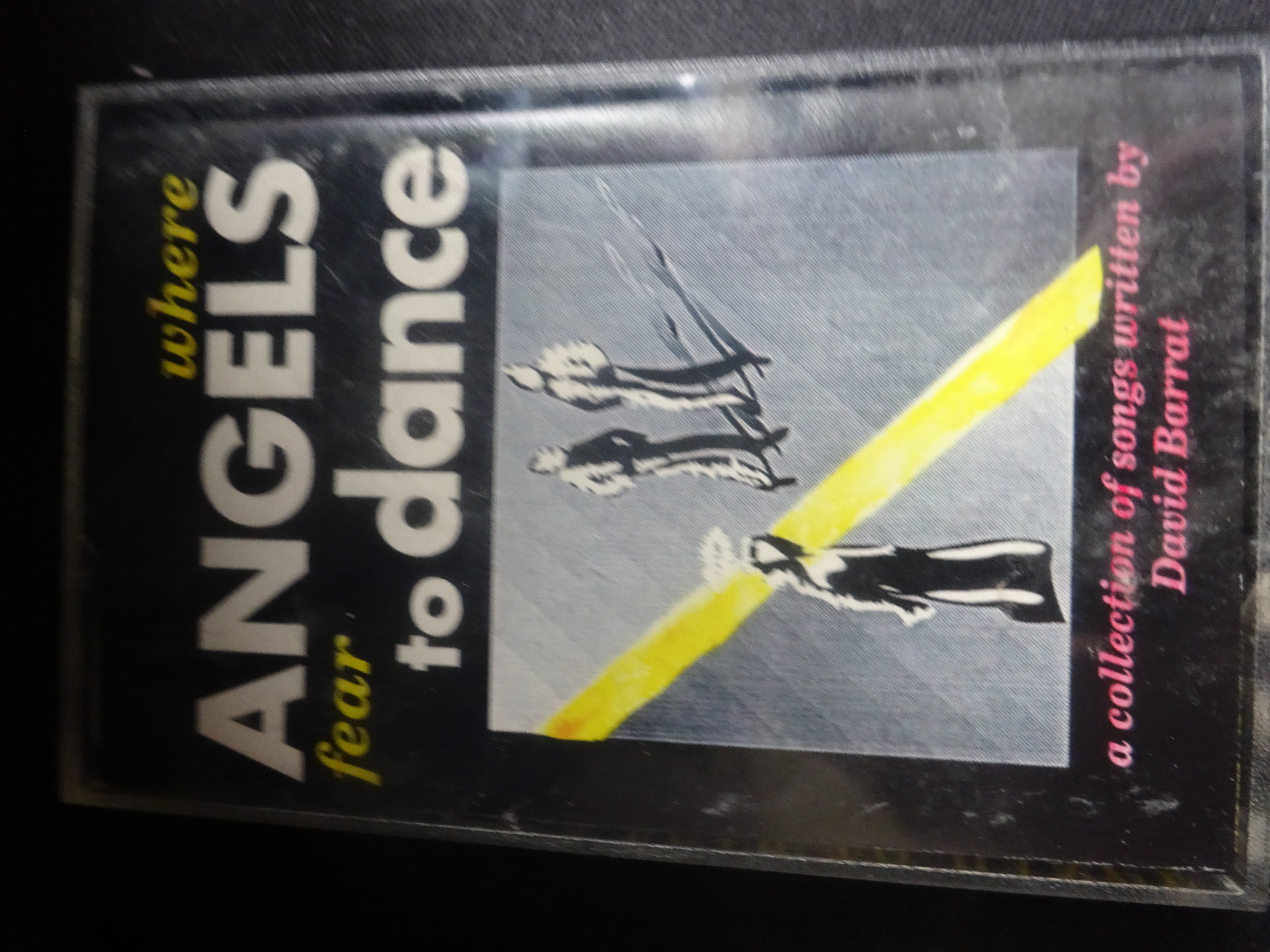
Hopefully and naively I sent the tape in the post to all the major music publishing companies as well as record companies, managers etc., always including a stamped addressed envelope, hoping someone might want to use them. They all came back with rejection letters. Well, one manager did say that his unsigned band, whose name I can't now recall, wanted to record Take Me Away but, disappointingly, I heard nothing further from him.
Nevertheless, I now had the bug. I wanted to record more songs. I absolutely loved the process. While I certainly wanted to find a home for them, and have people listen to them and enjoy them, I cared less about what happened to the songs afterwards. Creating them was, oddly, good enough for me.
I was also writing new songs. Every time I wrote a song I naturally wanted to record it. Years passed and I was churning out demo after demo. Sending them out to anyone I could think of, waiting hopefully for the postman to bring the return mail. Meanwhile Richard had bought himself a computer and was now able to arrange my songs on the computer, presumably on an early digital audio workstation, although I never knew the details of what he was doing. That meant I no longer needed to pay to hire musicians (other than the odd sax player when required, because brass instruments didn't sound right on computer in those days) although I still needed to hire at least one singer (and sometimes additional backing vocalists) for every song. On the down side, building up the song on computer to a point where the vocals could be recorded now took much longer than it had done the old fashioned way, with a band.
I didn't achieve a great deal over the years to be honest. I wanted a proper artist to record my songs but had very little idea as to how to achieve this, not having any connections in the music industry. I joined an organisation called The Guild of International Songwriters & Composers who circulated a quarterly magazine which included contact details of people or organisations looking for songs. Through this route, two of my songs were published by a small publishing company in Devon called Menu Music Publishing. This involved myself and Richard having to sign contracts, checked by solicitors, but it never came to anything in the end. I have no idea if Menu even sent the songs to anyone. They never reported back as to what, if anything, they were doing.
LOVE ME FROM EVERY ANGLE
In 1996 I decided to take matters into my own hands and released a dance single under my own “Blue Label” record label (a play on the term “White Label”) using a singer we called Jakk whose real name was Jacqui Clark. She had done some incredible sessions for me on earlier demos and had a rich voice, sounding a bit like Kylie Minogue. But when the day came for her to record the vocals for the song, which was called Love Me (From Every Angle), Jacqui hadn't had any breakfast. I watched her as she started to eat some cakes in the studio to satisfy her hunger. Remembering that Charlie or Richard had once told me that food can affect one's ability a sing, I said to Charlie, who was the producer of this song, but whose back was turned while he was setting up the recording equipment, “Should she be eating that?”. No, she shouldn't have been, came the answer. But it was too late. Her vocal performance was badly affected by what she'd eaten (something to do with the mucus the body produces in response to food, I think, which affects the vocal chords) so that her lead vocals had to be lower in the mix than I or the producer would have liked. I probably should have insisted that we record the vocals again another day but I was keen to get the song released. We'd already spent months in the pre-production stage. But that single felt like it was cursed. The final stages of production and mixing went on for ages. On the day of mastering it in Central London, for which I'd taken the day off work, there was an IRA bomb discovered in a dustbin which closed off the entire area so that Charlie couldn't get to the mastering studio. That caused further delay as we needed to re-book the mastering session. The song eventually reached number 44 in the Commercial Club chart on 14th June 1996 but that was largely due to a house remix of the song by Charlie which didn't really sound anything like the original song, so that it was hard for me to feel any kind of achievement at that small result. The vocal issues meant that I didn't push the single as hard as I otherwise might have done in terms of marketing. Mind you, it was amazing to be at the Gardening Club in Covent Garden when the deep house mix of the song was played and the crowd cheered when it came on (even though it was the first time they would have heard it).
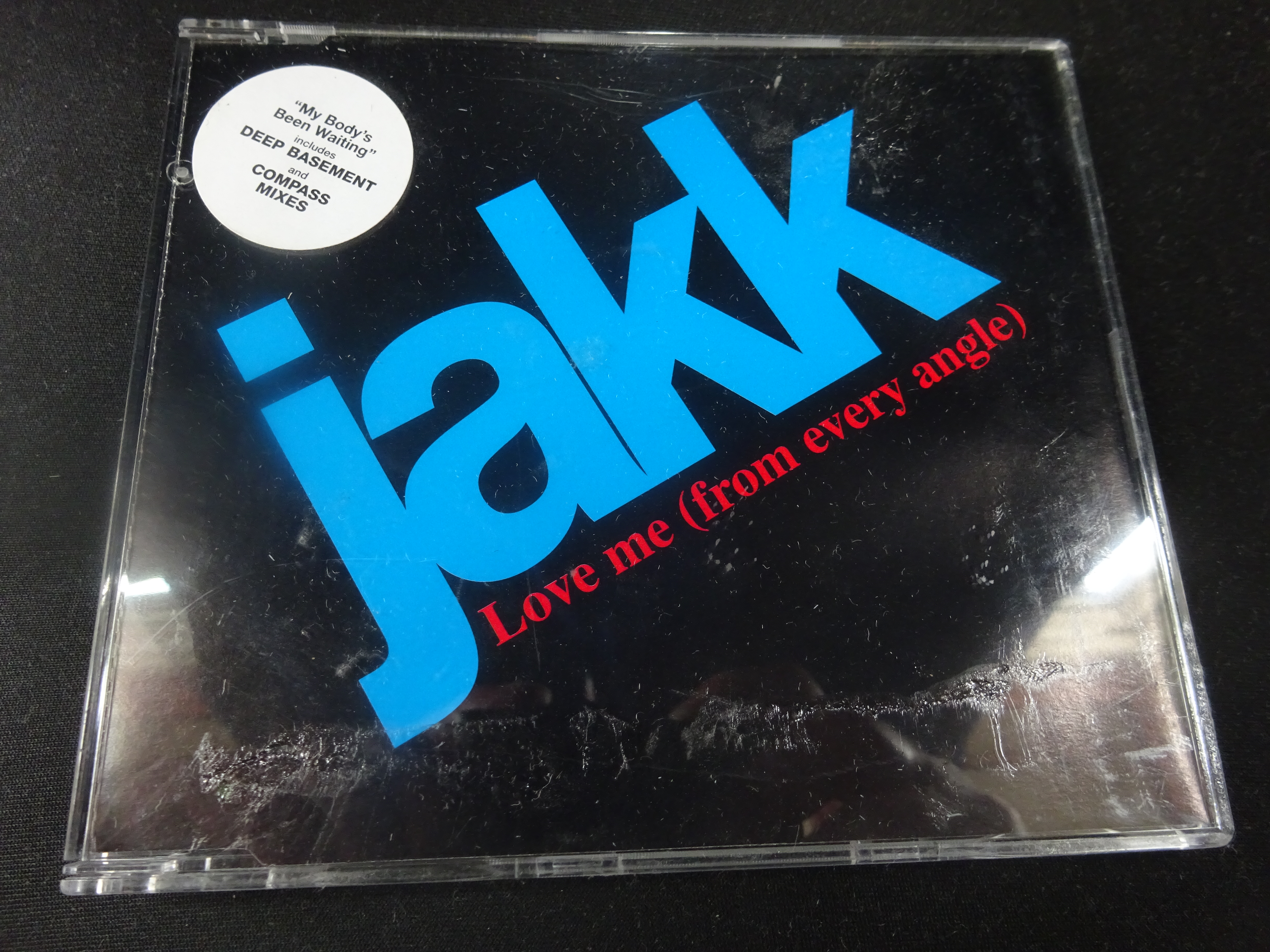
Soon after this, both Richard and Charlie left the music business and went on to do other things. With no recording studio to go to, I stopped writing and recording songs, feeling that I was never going to achieve anything musically. Nevertheless, I continued to sing snippets of choruses or verses into a tape recorder whenever they popped into my head.
I finally bought a keyboard and started to teach myself how to play, working my way through all the classics. I still can't play properly today but I do now at least know all the chords - all the main ones, anyway - and have some knowledge of music theory. The ability to play chords certainly improved my songwriting. I was now able to write lyrics, melodies AND chords. The full package! Later I purchased Ableton Live (a digital audio workstation) and spent many enjoyable hours working out how to build up an entire track but I'm definitely no producer. I watched many YouTube videos explaining how to EQ, with high passes, low passes, and various other supposedly essential production techniques of which I understood virtually nothing. I've always recognized that more ability than I possess is needed to create and produce a full song.
VOYAGE OF DISCOVERY
I had moved to a new location but, by a stroke of luck, there was a suitable recording studio near where I lived called “Monolounge” run by another talented musician, arranger and producer, Christian Fontana. He took on the role that Richard and Charlie had previously fulfilled and we created many songs together, using various session singers, including Debbie Saloman (a friend of Christian's who lived locally). In fact, she recorded so many songs of mine that we released an album of my songs recorded by her called Voyage of Discovery:
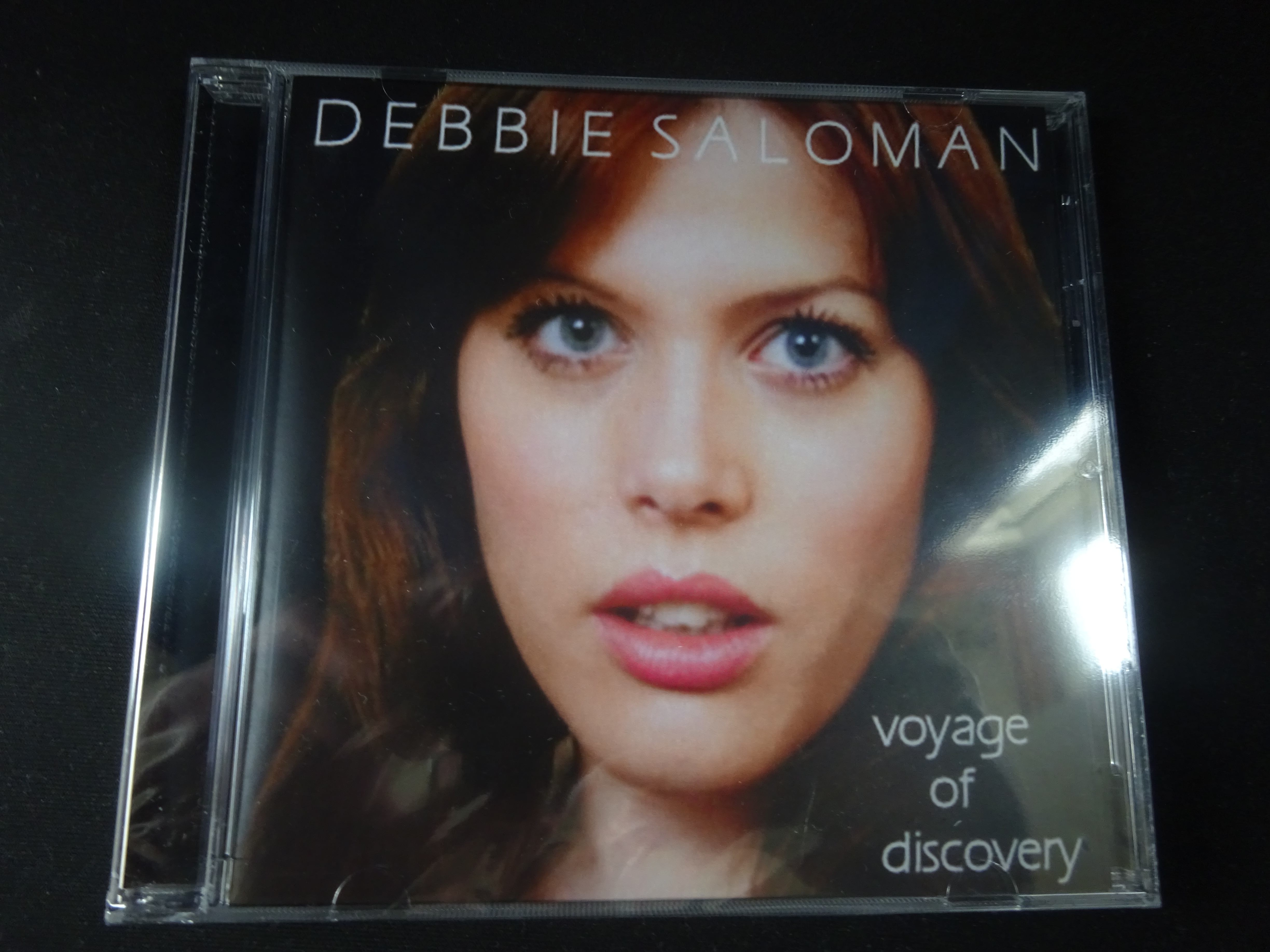
It was, however, a very limited release with no marketing. The only expenditure was on Jango (a pay-for-play online player) where she did have 10,000 “fans” who enjoyed her music, which was encouraging.
The same is true of a second album called Hooked on Love.
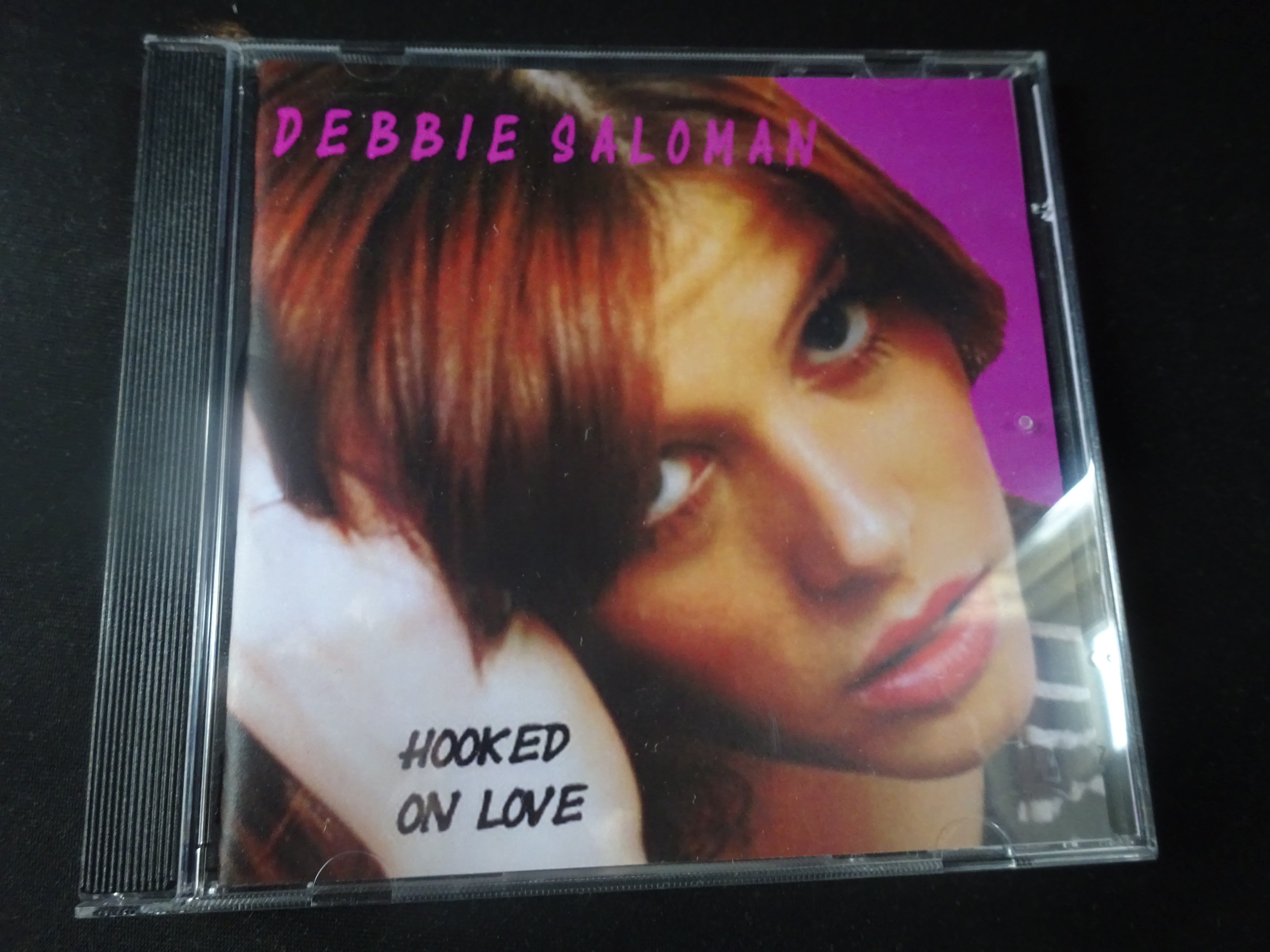
I did manage to get a story in Debbie's local newspaper, the Walthamstow Guardian, in April 2010:
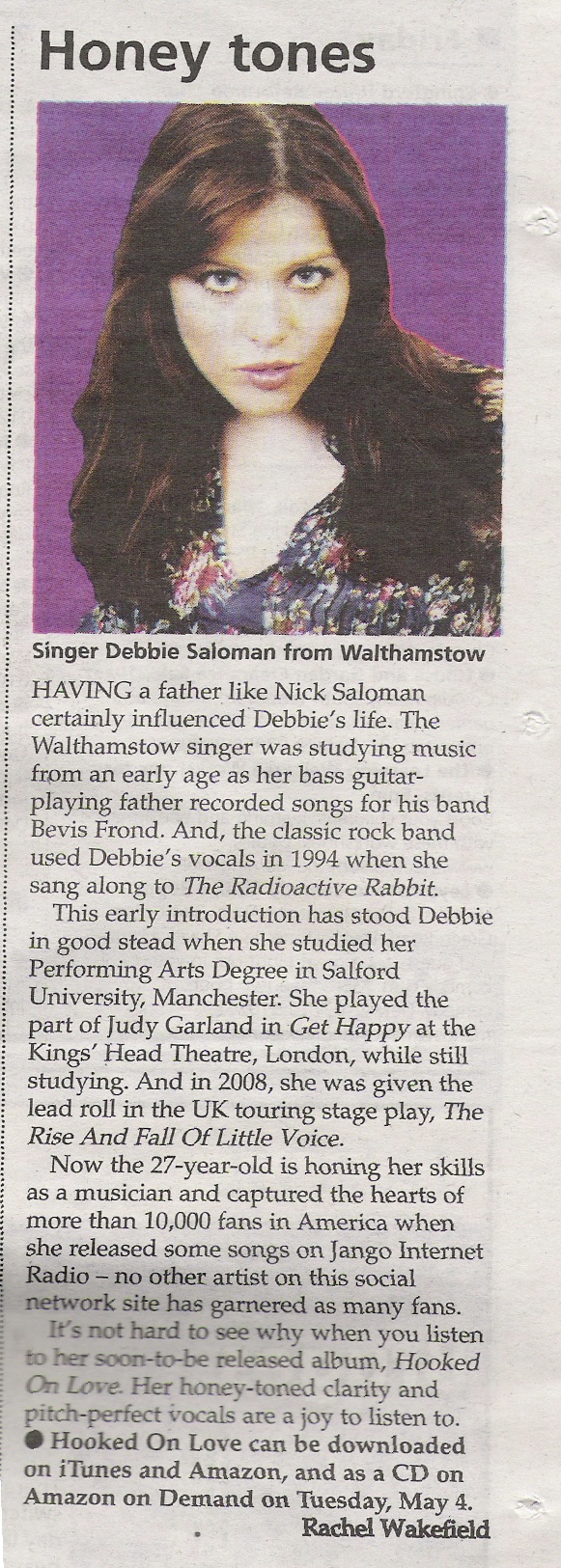
We even produced an EP of dance songs called In the Heart of the Dance Floor:
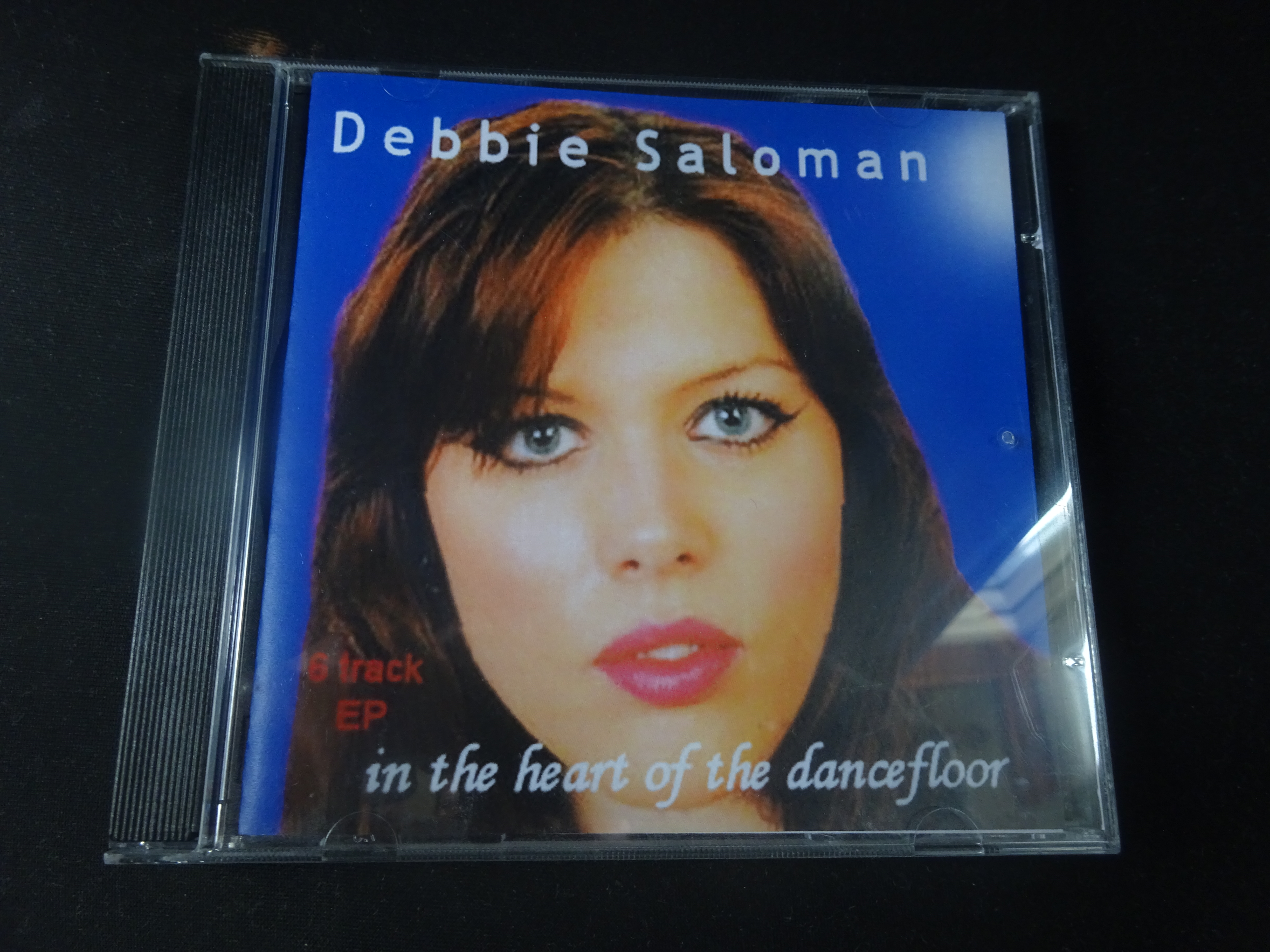
I'm including these images to demonstrate that I have worked in the past with human artists and that living, breathing humans have recorded my songs. But the songs were all originally recorded with limited budgets as demos, for the purpose of being sent to other artists, and I'm not a record company, so it wasn't possible to market or promote them or do very much other than put them up online. They weren't even Debbie's songs, as such. She'd recorded them all as session songs, on a paid basis, and kindly allowed me to include them in a record release, but it wasn't really her project at all. I don't really know if she even liked the songs. I didn't ask!
The way I worked with Christian was slightly different to how I had worked with Richard. For some songs I would present them before they were finished and ask him to write me a musical piece for the verse or the middle 8 section over which I would then write the lyrics. For one or two songs, Christian totally changed the melody, requiring me to re-write some of the lyrics. He did this for one song which I'd previously recorded with Richard called Easier Said Than Done. This had originally been recorded to sound like Sybil's Stock, Aitken & Waterman produced When I'm Good and Ready. But now Christian transformed it into a Britney Spears type number (which a publishing company called Leopard did want to publish but, in the end, I decided not to sign over the rights). Hence I now have two versions of this song with different lyrics.
But the fact that it was possible to take one of my songs and re-work it with different chords and melody was a revelation to me.
Although he eventually moved out of London to Scotland, Christian and I continued to work together, communicating by email until the summer of 2024 when he decided to retire from the music business, fed up with AI now being able to do everything he'd spent his life learning to do. I was disappointed because I felt I was starting to write my best ever material.
Shortly before Christian made the decision to quit, there had actually been some promising signs with my songs. I had managed to license two of them to an independent country music artist through a now defunct website called The Songwriters Portal but, for some reason, despite having paid for a license to do so, he never went on to record them in the six months term of the license. One of those songs was, as it happens, Promise You, for which Christian had done a fantastic country arrangement, even though it wasn't originally written as a country song. A German theatrical artist also expressed an interest in recording one of my songs but that too fizzled out.
Ironically, it was Christian who tipped me off to the existence of AI platforms like Suno and Udio, suggesting that I use them for my songs instead of him. Although I was always interested in songwriting tools, and watched a lot of YouTube videos about those sort of things, I didn't know of their existence. I was extremely dubious that they could replace Christian in the job of arranging my songs - I didn't see how it could be possible - but somehow, magically, after all these years, in Suno I had found what I would have loved to have had when I started out in the 1990s: a magical tool to help me arrange and record my songs without needing the assistance of anyone else.
CREATING MUSIC IN THE AGE OF ARTIFICIAL INTELLIGENCE
The reason I've set out all this at such length is because I wanted to give you some idea of how, from my perspective, in generating versions of already written songs, an AI music generator is really no different from a human assistant (just quicker and cheaper).
I used to hand my songs over to an arranger/producer like Richard, Charlie or Christian (and, in the latter days of working with Christian who was often very busy, a couple of others I found on Songbetter or Airgigs). Now, I just hand my songs over to the AI. From my perspective, it's the exact same process with a similar (but faster and cheaper) end result: a fully arranged and produced song based on my lyrics, melody, rhythm and, for my more recent songs, chords.
I used to hire a singer to sing the vocals. Now I can get AI to do this. Yes, a session singer somewhere in the world loses the opportunity of singing one of my songs - sorry about that - but one can't stop progress. (Drum machines once replaced drummers but no one is any longer mad about that.) Now I can get the AI to change the lyrics very easily if I want to after the recording has been done. So many of my demos from the past contain one or two lyrics that I'd always wanted to improve. They always annoyed me when I listened back to them, but I never had the chance to correct them because there were so many new songs I was working on which took priority, and the work that was needed to change a single lyric didn't justify the effort and expense in any case. Further, the AI singer is always in tune (some session singers were not) and usually sings my songs extremely well, almost as if it understands them, like a human.
The real difference, though, as I say, is in the speed and cost. To get one song arranged and recorded the old way, including arrangement, production, vocalist, mixing and mastering, would, at a rough estimate, cost anywhere between £600 and £1000. Now it's mere pennies! Moreover, it would take weeks, even months to complete a song, especially when Christian was in Scotland, now it's a matter of minutes. With the end result being the same or better, there's just no contest. What I've done over the past two years with my songs, both new and old, would have taken tens of years and cost hundreds of thousands of pounds. Previously, I couldn't even release any of the songs without (legal) agreement of the session singers who weren't committed to the songs, may not have liked them as far as I knew, and wouldn't have been involved in any promotion etc.
What's more, I can run the same song over multiple genres and musical styles, with either a male or female vocalist, to see which I like best. Realistically, this would have been impossible doing it the old way. There is a limit to how many times you can record the same song. I have indeed recorded some of my songs twice, three or even four times in a recording studio. But with AI there is no limit. It's a different world.
WHAT'S THE POINT?
Of course, if anyone, even a six year old, can prompt for a song of a certain type, press a button and voila it appears within seconds, is there any point in me continuing to write songs?
It's a good question and the answer may be no, but I have to genuinely believe I can write better songs than AI can.
Put it another way, forget AI, there are so many good, professional songwriters around that the same question can be asked regardless of artificial intelligence. After all, there doesn't appear to be a song shortage. There has never been a desperate call from the music industry for unknown songwriters to step forward and provide material because artists are running out of good songs to release. The industry seems to have done fine without me.
So AI doesn't do much more than add another layer of competition amongst all the professional songwriters and, indeed, artists who write their own songs. It may change whether people want to listen to music, or only want to listen to music recorded by humans but there's no material difference to me and my songs. Either my own songs sound good and connect with people who want to listen to them or they don't.
ON THE WINGS OF PEGASUS
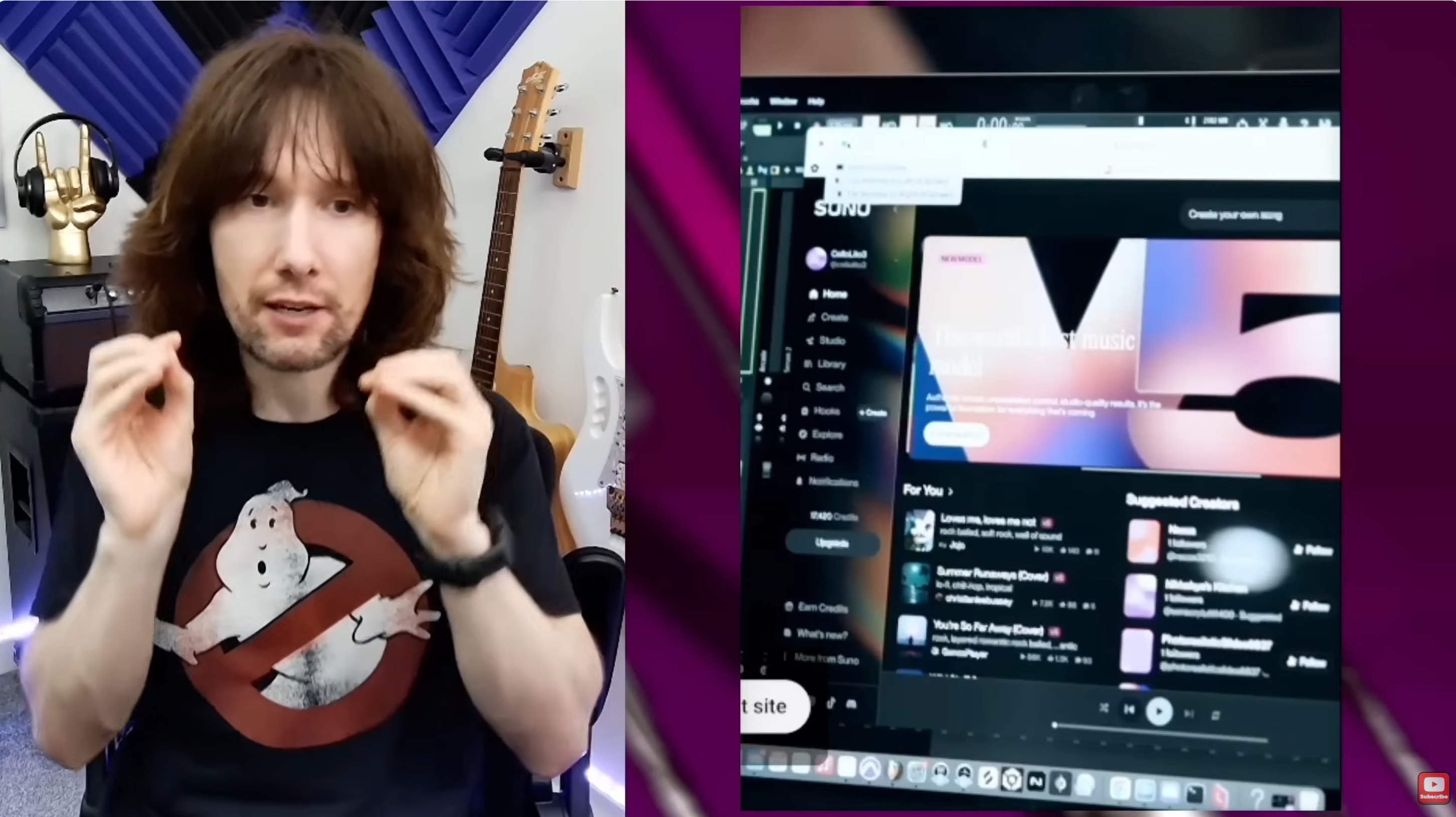
I was disappointed to hear the respected Fil a.k.a.Wings of Pegasus say in one of his YouTube videos that you can't properly be the writer of a song if you don't know everything about that song and how it was created, so that if AI is used to create a new version of an existing song, it's no longer the songwriter's song. In a later video he even suggested that in such circumstances, the songwriter shouldn't be allowed monetary compensation through record sales.
His argument on this subject, in my opinion, is confused and contradictory. He fails to distinguish properly between the song and the sound, or the recording of the song, while he never deals with the difference between a song and its arrangement. I might have given the guy a pass if he was speaking only of people who create songs out of nothing, using AI, and then claim to be the artist but he expressly refers to someone (like myself) who has “written a song and the song sounds a particular way and then they use AI to make their song sound professional.” I cannot see the problem with doing this. I've written many songs which sound a particular way and then used a professional arranger/producer to make my song sound professional. Was that okay? What's the difference if I use AI to do the exact same thing?
Fil speaks from the perspective of an elite, and indeed elitist, musician (and producer). Someone who loves all the technical elements of recording a song and needs to control the process from start to finish. He doesn't seem to like someone creating a song who hasn't spent years learning all the required skills needed to produce that song to a professional standard. From the perspective of a non-performing songwriter, I would say, with the greatest respect to him, that what he says about this particular subject is badly wrong. Take someone like Bernie Taupin. I don't know his exact method of song writing but I understand he provides lyrics to Elton John for Elton to compose the melodies. According to Wikipedia, the classic John/Taupin writing style, “involves Taupin writing the lyrics on his own and John then putting them to music, with no further interaction between the two.” Elton's finished songs would then, of course, have involved professional session musicians, producers, sound engineers, mastering engineers etc. working together in (or out of) a recording studio before the finished products were released. Taupin doesn't seem to have had any involvement in that process for the early songs (although he apparently does now join Elton in the recording studio). Does this mean Taupin isn't the songwriter (or co-songwriter) of Elton John's classic songs? I don't think so. And what about all those songs with multiple songwriters who may only have contributed to part of a song? They surely can't all know how the final versions of the songs which they've co-written were created down to the exact EQ used on the record.
And then what about a songwriter who has a song recorded (for which they may know all the ins and outs of what occurred in the studio) but the song is then covered by a different artist with a different arrangement? Are they suddenly no longer the creator of the song because they have no idea what happened during the recording process of the new version of the song and can't tell you anything about the guitars, the microphones, the drums, the EQ etc.?
For me, my songs exist as soon as I conceive them in my head. They have a physical existence when I sing them into a tape or digital recorder, with or without any backing music, and write down the lyrics. That is when the song is created. The rest of it is arrangement and additional touches to make it sound great. I don't need to know the details of all that to be the writer of the song.
I don't want to say it's a simple topic because there is an argument - essentially a legal one - that a session musician, or band member, who plays a great solo should be included as one of the songwriters of the song. So I guess a producer or engineer who creates a great sound could also claim to be one of the songwriters of that song. I don't happen to agree with this argument personally but what AI does is eliminate all these people and just allow me to produce a version of the song that I'm pleased with, leaving all creative decisions to me. While I have no part in how the AI actually creates the song, I do have to prompt it with the style I want and I can and do reject versions it produces that I'm not so keen on. I don't wish to make too much of this because the important thing is that I already wrote the song before it went to AI but it does give me a small amount of creative control in the process and probably even more than I used to have when I worked with a human producer. Although I could always tell the producer if I wasn't happy with something he was doing, I usually tended to regard him as the expert and thus tried to interfere as little as possible with the way he developed my songs. Now I can make all kinds of changes that I wouldn't have done before because I don't need to be diplomatic if I'm not quite sure of a certain direction the song is going in.
My whole life has been spent handing my basic songs over to arrangers/producers for them to knock into shape and give a full musical arrangement to. Even though I've always paid them, the legal basis is a little bit unclear about copyright and whether or not they should be considered one of the songwriters, so I've always included them as co-writers, with a share of the publishing percentage (not that any money has yet been made!). But they are still very much my songs. Even where they've been improved along the way by a human (in exactly the same way that AI might improve them) I regard them as entirely my songs for which I provided the spark, not just in the lyrics but in the melody and rhythm (and, for my later songs, chords too).
I suppose that people who simply give AI a prompt may regard the song that is subsequently generated as their own song because of the “clever” way they prompted the song. Or they may have developed an initial AI generated song using additional AI prompts and convinced themselves that this means they are the songwriter of a song that they didn't actually create. That is going too far in my opinion. It's such a shame that the AI platforms allow users to create songs with no human input into the lyrics and melody because it casts a cloud over everyone using AI platforms to generate their songs who are all assumed to be doing the same thing.
Now, it's certainly true that some of the songs that I've provided to Suno have been transformed to some extent from the original, with a different melody, either in part or whole. In this respect, I always try to choose the version produced by Suno which is closest to my original melody. I'm much happier hearing some of my original melody in the final version. Ideally, the entire melody is the same. With Promise You, which was originally written by me as a soul song for a female artist like Avelisse, the melody and feel of the track is entirely the same as the original. Only occasionally do I think that Suno has come up with something better than my original melody. Even on those occasions, the lyrics to the song are 100% mine and the new melody is invariably based in some respect on my original. As long as I can hear my own song in there, and I usually can, I do feel it's mine. To the extent that there is a difference, that difference could have been worked into the song just as much by a human arranger as by an AI one. That's why I say that from my perspective an AI arranger is nothing new. I've been using an intelligent arranger, as opposed to an artificially intelligent one, for almost my entire songwriting “career”.
Surely if I write a song which I can then sing into a tape recorder without any backing instruments, or perhaps just a drum machine, as I used to, then I've gone through a full creative process and written a song. In fact, before I started having my songs recorded in 1991, I lodged these early recordings of mine with a solicitor to copyright them. Subsequently I adopted the method of sending cassette tapes to myself of me singing the songs in sealed envelopes to capture the date of creation. I had, in my firm opinion, written songs which now simply needed to be arranged and properly recorded. So I then paid a professional arranger to arrange my songs. Fil says that if a songwriter doesn't know what a song will “sound like” once recorded they are not the true songwriter. But before those early songs of mine were arranged I didn't know what the song was going to sound like. I had no idea if the song would start with a guitar or a vocal or a drum fill. That wasn't part of the writing process. Yet, I still regard myself as the songwriter of those songs. I mean, George Martin created orchestral arrangements for a number of Beatles songs. Lennon and McCartney wouldn't have known what they were going to sound like until they heard them.
And, again, as I've already mentioned, what about cover versions? Take the song Yesterday by Paul McCartney (albeit credited to Lennon/McCartney). If someone were to cover the song with a brand new arrangement in a completely different musical style to the original and then present it to Paul McCartney, he's not going to have a clue what the song will “sound like” before he hears it. But we would all still regard him as the songwriter of Yesterday. That will never change
A better starting point would be to say that a songwriter essentially creates the lyrics and melody of a song (inherent in which is the rhythm). The rest is arrangement.
Now it's never quite so simple. When George Michael recorded Do They Know It's Christmas, written by Bob Geldof and Midge Ure, he shifted the melody of his vocal line “But say a prayer” by a semi-tone in the studio, thus transforming and improving that line. But I don't think anyone would argue that Michael co-wrote the song. When I employed session singers, they might sing different notes to what I had envisaged. But that's precisely what you would expect from a session vocalist: for them to use their skill and experience to interpret a song. One doesn't normally say that this means they have co-written the song they are singing.
Now, the lead singer of Spandau Ballet, Tony Hadley, did once attempt to have himself legally acknowledged as the songwriter of the songs written by the band's guitarist, Gary Kemp, because of what he claimed were his significant vocal contributions to the melody but this failed in the High Court in 1999. The way Spandau's hit songs were created was that Kemp would sing his songs to the band while playing his guitar and the band would learn the songs and then add their own musical contributions during the rehearsal and recording process. The saxophone player, Steve Norman, had a better claim than the singer and the drummer (who was also part of the legal action) because his saxophone solo on the hit song True was a particular feature of the song but he too failed in his claim to be added as a songwriter of that song.
On the other hand, a session violinist who played the violin part for the intro of the Bluebells song, Young At Heart, did win a legal claim for royalties for having composed part of the song. His violin intro was somehow considered by a judge to be significant enough to be regarded as an original contribution to the song. It's not a decision that I agree with because, in my opinion, if you pay a session musician to play on a song, you're employing them for their skill and experience to devise an appropriate musical part based on the existing song without becoming a co-writer of the song. But that is what the law in its wisdom decided.
Out of an abundance of caution, as mentioned above, I came to an agreement with the guys who arranged and produced my songs that they should be included as co-writers with a 25% percentage, something which then caused problems when I would work on a song with Christian which I'd already recorded with Richard or Charlie. There is something called an arranger's royalty split (which I checked with the Performing Rights Society is about 10%) but I felt that given the uncertain state of the law around song copyright it was best to agree that my song arrangers and producers were also co-writers.
The AI platform, Suno, could, I suppose, legitimately claim to be a new co-writer of my songs when I use it to produce brand new arrangements of those songs but that's not the legal position. Once again, I insist that using Suno, from my perspective, with a song that has already been fully written as to lyrics and melody (and in most cases recorded) is no different in both creative and practical terms from me using a human arranger/producer to develop and complete my songs.
A situation where someone creates a song on an AI platform using only a prompt is very different but it gets more complicated if the AI platform is fed human-created lyrics and given a prompt to create a song from those lyrics. It's even more complicated if that prompt includes specific chords because that will suggest the melody. While the person generating the song in this case might not know what it will sound like before it's generated, in those circumstances, they would nevertheless have a clear vision of what they want from the song. At the very least, they could rightly claim to be the person who wrote the lyrics (like Bernie Taupin for Elton John) so would definitely be classed a songwriter. It's those who take AI generated lyrics (horrible idea!) and then type in a generalized prompt for the melody who can't in all honestly claim to have written a song. At least, not in my opinion.
But, when used in a different way, with existing songs, an AI platform like Suno is a songwriting tool which assists in writing the song. In the same way, something like Scaler (which I also use when writing songs) is a songwriting tool which doesn't stop me being the songwriter. We are, however, in a brand new world where it may be that it doesn't actually matter how a song has been created, only the end result is important, and a songwriter just has to know in his or her heart whether the song is really theirs or not.
AI SINGERS
So is it possible to like a song sung by an AI singer like Avelisse Corvain?
Well the fact of the matter is that pretty much every major song released these days includes artificial vocals due to the use of pitch correction software or autotune. When autotune is used, what you are hearing is not a human vocal at all but a converted vocal which has been run through a computer and has been generated as a new audio file by the computer. It's the same as what AI is doing on its own generated songs, except that there's no human involved at all in the process.
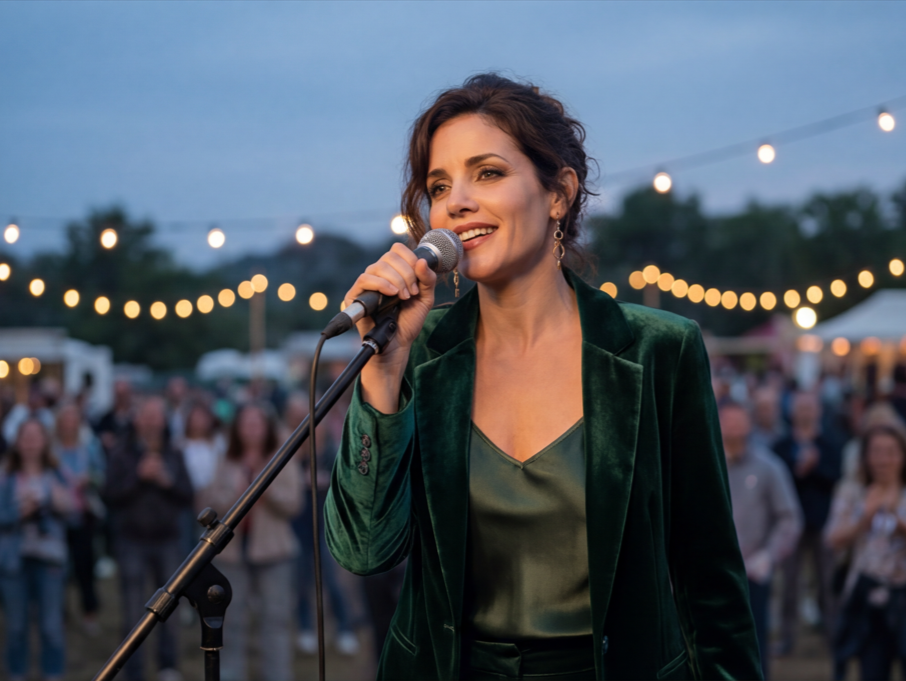
Now, of course, I get it. You can't really become attached and devoted to a virtual singer like you can to a human one. You can't go to their gigs. You can't communicate with them. You can't get their autograph or have your photograph taken with them. You can't develop a bond with them. Avelisse Corvain doesn't exist as a person. But all her songs were crafted and created by me based on a lot of hard work and dedication over many years. I am real. I know I'm human. So her songs are real. Her songs are human. The question is: can humans appreciate human created songs sung by an AI singer?
I hope you can. The fact that you are here on this website, reading this, means you must have some interest in the songs of Avelisse Corvain. Sure, I would have loved to have had a human singer record and release my songs. I would have loved Avelisse Corvain to be real. I would have loved for her to have been signed, marketed and promoted by a proper record company. That's what I've been trying to achieve my whole adult life. I never wanted to get involved in releasing music. I only wanted to be a songwriter, quietly writing songs in the background, in the shadows, for others to perform. But in the absence of a real artist, Avelisse is all I have. She is my voice. She allows me to showcase my songs to the world.
There's absolutely no way I could have done this project with a real singer. It would have needed the resources of a major record company to get to this stage with a full album of songs (and there will be more albums by Avelisse to come) and, of course, promotional videos. This is the only way I can get my songs heard.
So please do show Avelisse a lot of love. Behind her is a real human person. She sings real human songs. Thank you for taking the time to read this.
David Barrat (and Avelisse xx)
June 2026